Scuba diving and snorkeling in Hawaii, matched to your island
Scuba diving in Hawaii means sea turtles, sunken ships, lava arches and manta rays at night — in warm, clear water all year round. Tell us your island, experience and dates, and licensed local dive and snorkel operators will send you options and prices.
Find your dive on the map
Tap an island to see dive and snorkel trips there. Flags mark the best-known dive areas, and yes, that is a manta off Kona.
- OʻahuShipwrecks, turtles and North Shore shark dives
- MauiMolokini Crater and turtle reefs
- Big IslandKona manta ray night dive and lava-tube reefs
- KauaʻiPoʻipū ledges and Niʻihau trips in summer
Diver-down flags mark well-known dive areas. Tap an island for trips and operators.
Pick your dive
Every island dives differently. Oahu has wrecks and turtles minutes from Waikīkī, Kona has the famous manta ray night dive, Maui has Molokini, and Kauai has lava-tube caverns.
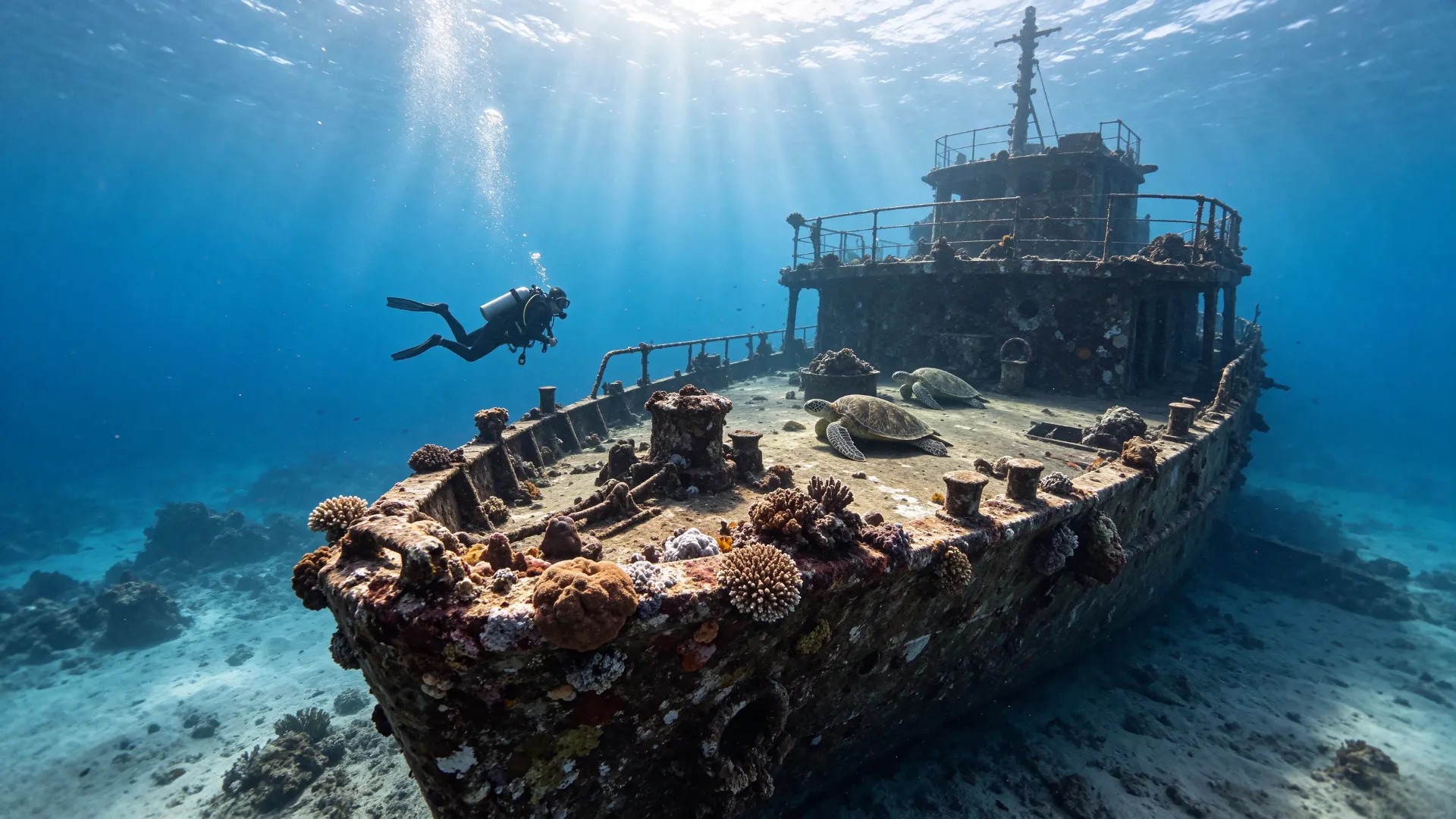
Oahu
Sunken ships, turtle cleaning stations and reef dives a short boat ride from Waikīkī.
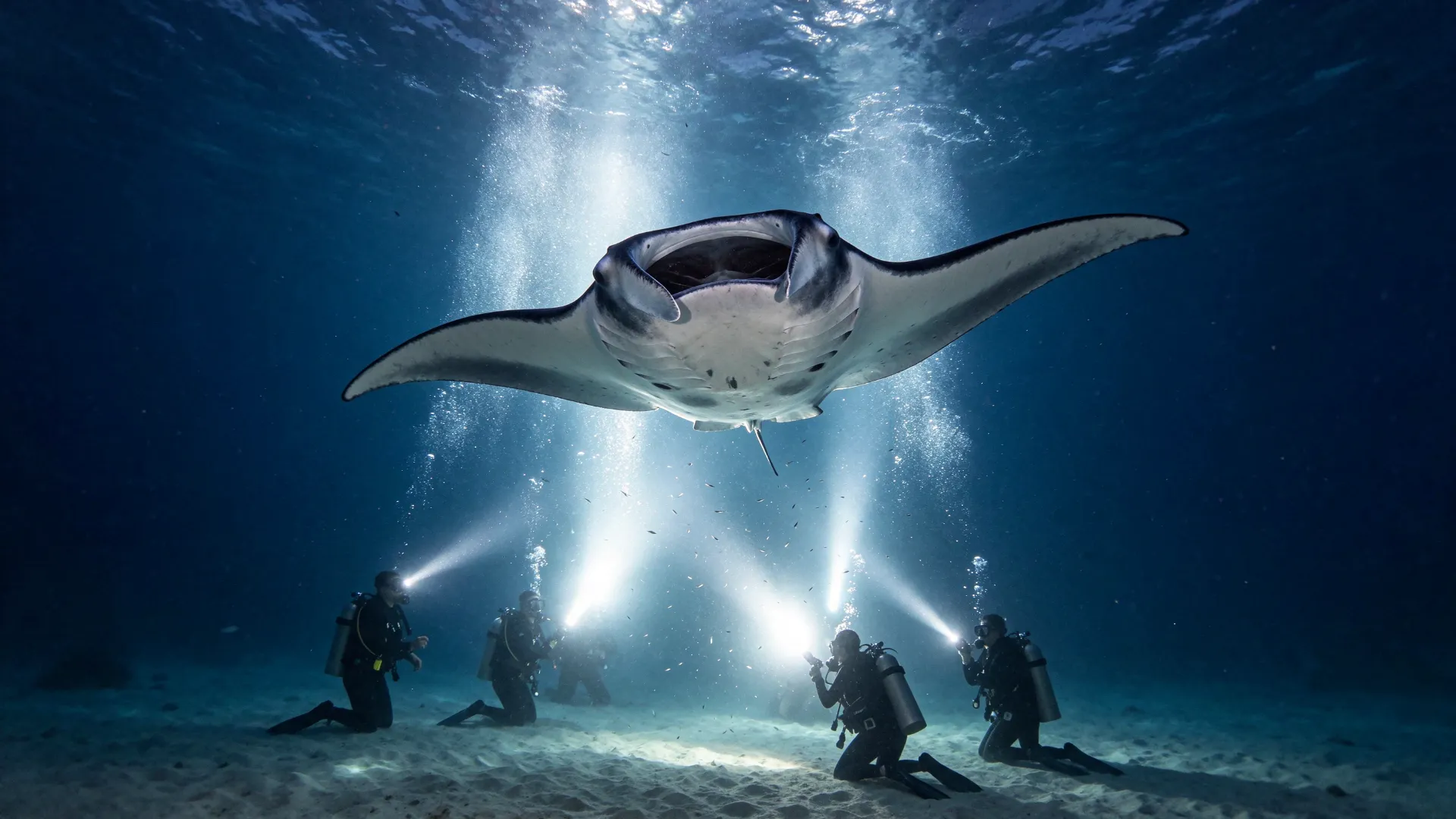
Kona mantas
Giant manta rays feeding in the lights after dark — for divers and snorkelers.
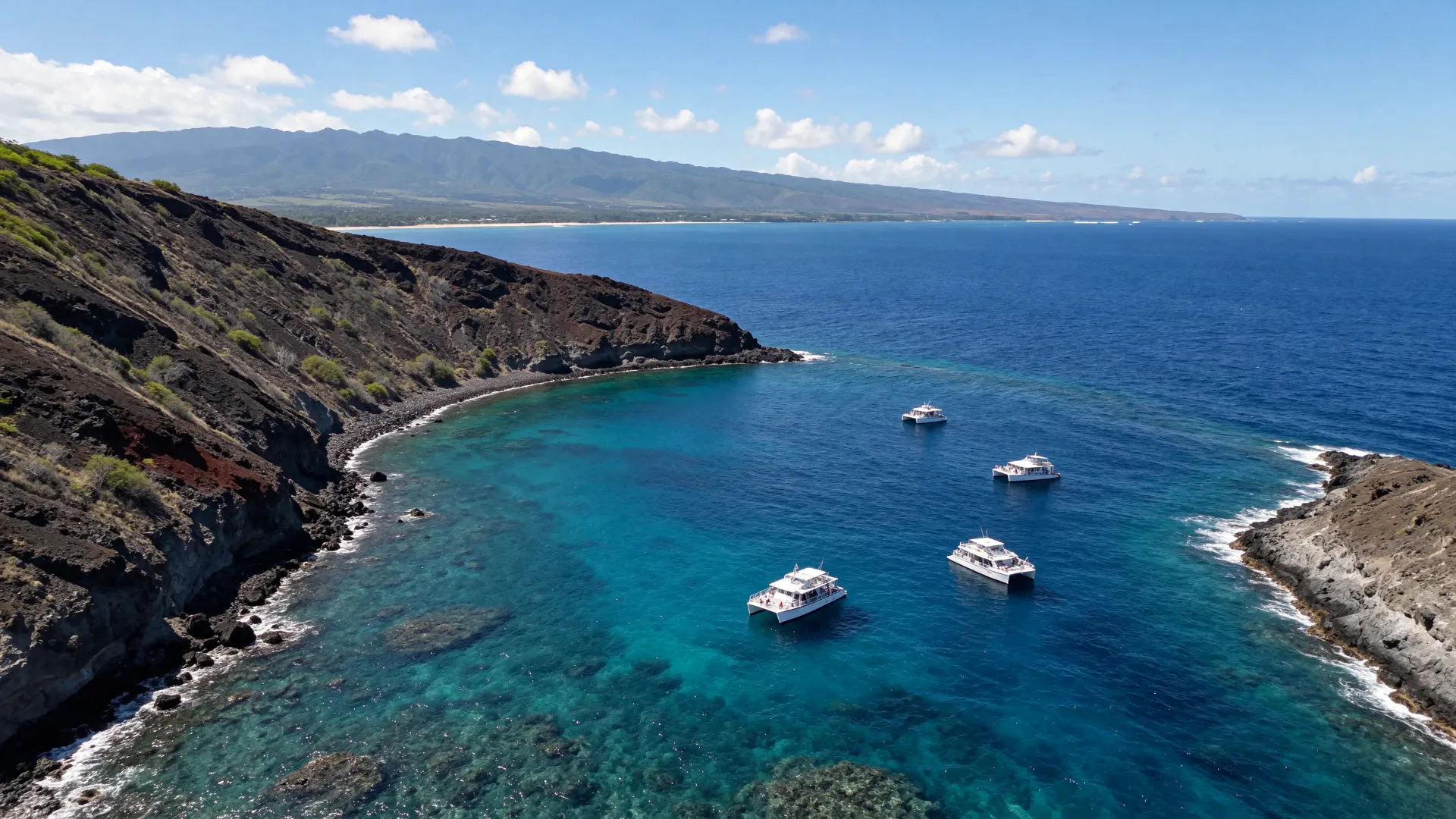
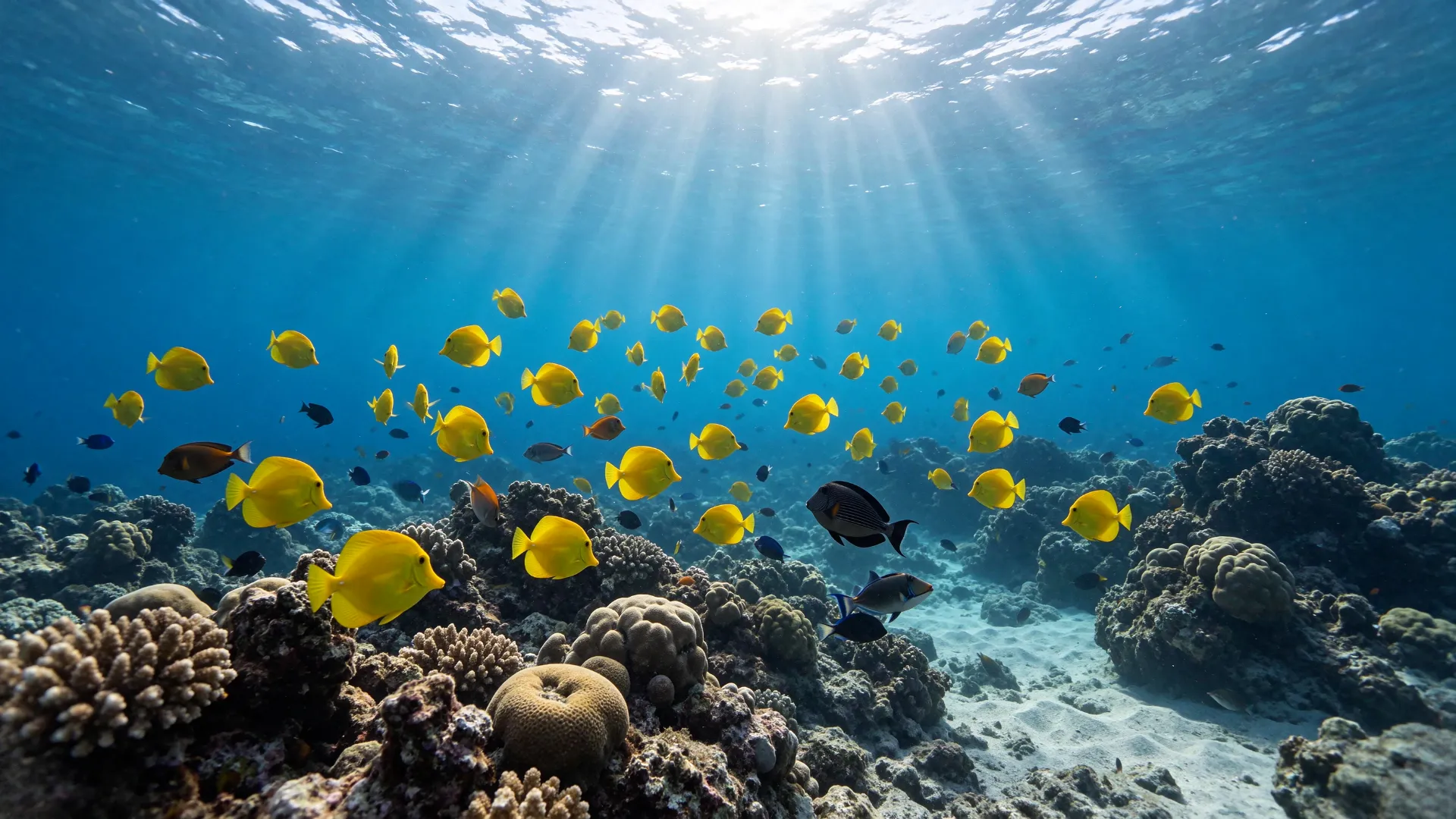
Never dived before? Start here
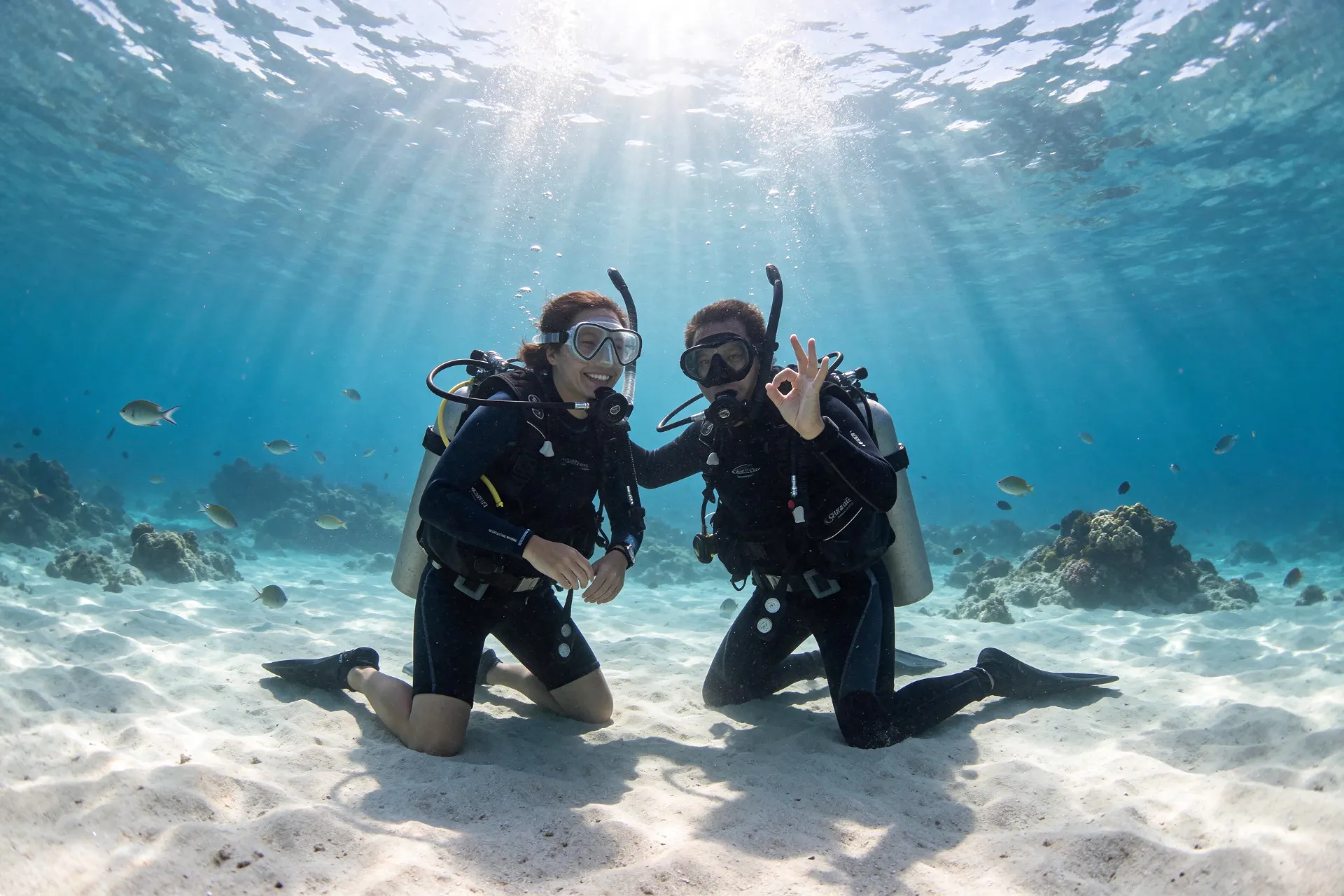
You do not need a certification to breathe underwater in Hawaii. A try-dive (PADI calls it Discover Scuba Diving) puts you in the water with an instructor after a short briefing — usually in calm, shallow water with turtles and reef fish all around.
Liked it? You can earn a full PADI Open Water certification in three to four days, or do the classroom part at home and finish your training dives here.
Ways to get underwater
Try scuba
A guided first dive with an instructor, no certification needed. Most operators take ages 10 and up.
Boat dives for certified divers
Usually two tanks at two different sites, with guides who know where the turtles, eels and octopus hide.
Wreck dives
Oahu’s artificial reefs include sunken ships and a WWII-era plane, now covered in coral and full of fish.
Night and manta dives
After dark the reef changes completely. Off Kona, manta rays glide through dive lights to feed.
Snorkel tours
Boat trips to turtle spots and reefs with gear, guides and flotation. Great for non-divers in the group.
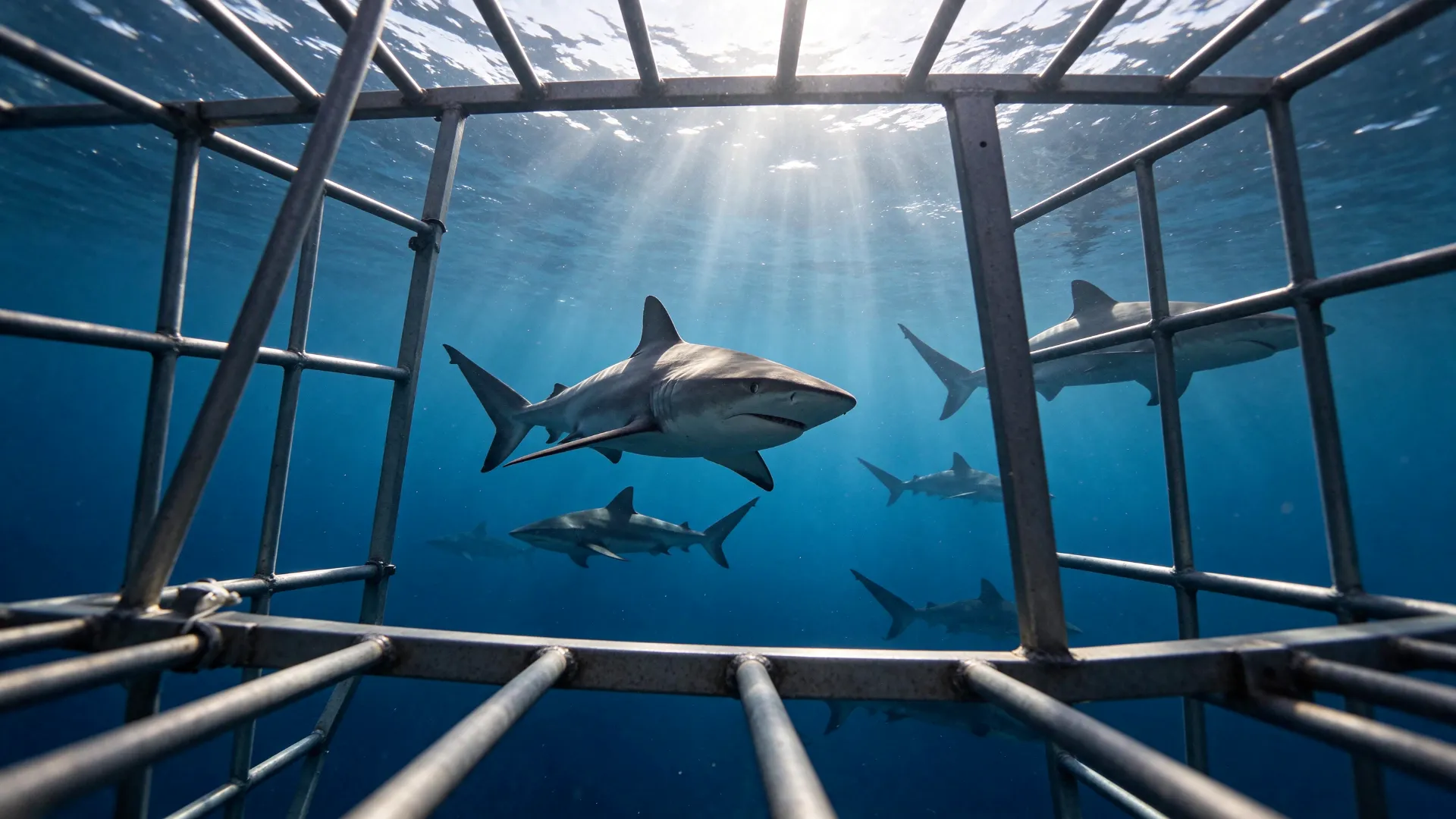
Shark cage diving
Watch Galapagos and sandbar sharks from a floating cage off Oahu’s North Shore. No certification needed.
PADI courses
From Open Water to Advanced, Rescue and professional levels, taught in warm water year round.
Private charters
A boat and guide for your group only, with the dive plan built around you.
Why dive in Hawaii
Hawaii is one of the most isolated island chains on earth, so its reefs are home to species you will not see anywhere else — and the water is warm enough to dive all year.
75–81°F
Typical water temperature, from winter to late summer.
60–100 ft
Common visibility on a good day.
1 in 4
Hawaiian reef fish species that are found only in Hawaii.
Year-round
Diving season — no closed months.
Face to face with sharks
A few miles off Oahu’s North Shore, Galapagos and sandbar sharks gather around the fishing grounds. Shark cage tours float a cage at the surface so anyone who can snorkel can watch them up close — no scuba certification needed.
Dive smart in Hawaii
- Plan flights after dives. Wait at least 12 hours after a single dive and 18 hours after multiple dives before flying — and that includes helicopter tours. Flying before you dive is fine.
- Watch the altitude. Driving up Haleakalā or Mauna Kea right after diving carries the same risk as flying. Do your summit trip first, or wait a day.
- Look, don’t touch. Give sea turtles at least 10 feet and Hawaiian monk seals at least 150 feet, and never stand on coral.
- Use reef-safe sunscreen. Hawaii bans sunscreens containing oxybenzone and octinoxate, which damage coral.
Diving Oahu in motion
AI-generated clip illustrating a wreck dive off Oahu. Real dives are with licensed local operators.
Get dive and snorkel quotes
Tell us your island, experience and dates. We pass your request to licensed operators who run that kind of trip, and they reply with availability and prices.
- Free to request, no booking fee
- Replies from licensed operators, usually within one business day
- Certified or never dived — tell us and we match the right trip
We never sell your details to marketers. Your request only goes to dive and snorkel operators who can take you out.
Hawaii diving questions
Which Hawaiian island is best for scuba diving?
Each island is best for something different: Kona on the Big Island for manta rays, lava formations and clear water; Maui for Molokini Crater and the Lānaʻi caverns; Oahu for wrecks and turtles close to Waikīkī; and Kauai for lava-tube caverns. The best island is usually the one you are staying on.
Can I scuba dive in Hawaii without being certified?
Yes. A try-dive, called Discover Scuba Diving by PADI, lets you dive with an instructor after a short briefing, with no certification needed. Most operators accept ages 10 and up.
When is the best time to dive in Hawaii?
You can dive in Hawaii all year. Summer usually brings the calmest seas on north-facing shores, while winter adds humpback whale songs underwater and bigger surf on the north shores. From December to May you can add a Hawaii whale watching tour.
Do I need to be certified for the Kona manta ray night dive?
Scuba divers need a certification for the manta ray night dive, but snorkelers do not. The manta ray night snorkel lets anyone who can float watch the mantas from the surface.
How long should I wait to fly after diving in Hawaii?
Wait at least 12 hours after a single no-decompression dive and at least 18 hours after multiple dives or multiple days of diving before flying, including helicopter tours.